Water Carewater-clarity
How Long Does It Take Cloudy Hot Tub Water to Clear?
There's no universal timeline for cloudy hot tub water to clear. It depends on the cause. Manufacturer guidance points to checking again after a full circulation cycle rather than expecting an instant fix, and treating water that stays cloudy after correct treatment as a sign to look further.
- By
- TubWise Editorial Team
- Published
- Last updated
- cloudy water
- water care
- hot tub chemistry
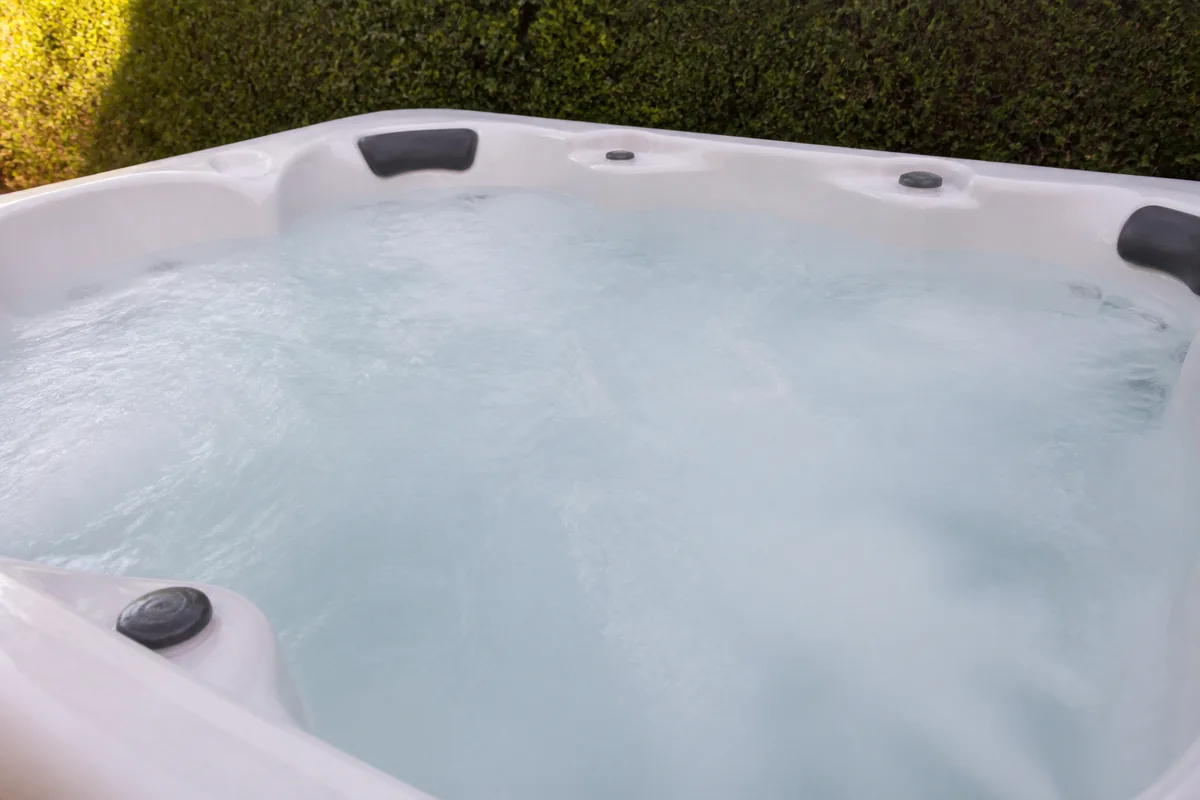
There’s no single, fixed number of hours that applies to every cloudy hot tub. How long it takes to clear depends on what caused it and whether you’ve fully corrected that cause. Manufacturer guidance points to rechecking after a full circulation cycle rather than expecting an instant result, and treating water that’s still cloudy after correct treatment as a sign to look further, not wait longer.
Why there’s no single answer
Cloudiness can come from water chemistry, a dirty filter, organic contaminants, or old water. See Why Is My Hot Tub Water Cloudy? for the full list. Each of those follows a different path: a chemistry correction needs time to circulate before a retest is meaningful, a filter clean only helps once flow through clean media is restored, and old water with a high mineral load may not clear at all until it’s replaced. Treating all cloudy water as if it will resolve on the same timer can lead to over-treating the water with extra chemicals instead of finding the actual cause.
None of the manufacturer sources reviewed for this article give a single “cloudy water clears in X hours” figure that applies across causes. Instead, they describe check-in points (moments to retest and decide whether to move on to the next step) rather than a guaranteed clearing time.
What manufacturer guidance does say
Give it a full circulation cycle before judging the result
Jacuzzi’s setup guide describes running the jets on high speed for 30 minutes to improve filtration, then retesting water chemistry, rather than checking again immediately (Jacuzzi). This is one specific step in Jacuzzi’s own new-spa troubleshooting sequence, not a general rule for every spa or cause, but it illustrates the idea behind the guidance: give the water a full circulation cycle before deciding whether a fix worked, rather than checking again within minutes.
A same-day recheck point
That same Jacuzzi guide treats 24 hours of proper circulation and balanced chemistry as a check-in point: if the water is still cloudy after that, the next step is to shock it (Jacuzzi). This guidance is written for new-spa setup specifically. It should be read as one documented example of how a manufacturer sequences its own troubleshooting steps, not as a rule for how long cloudy water takes to clear in every situation. Your own manual, or a call to your dealer, is the better reference for an established spa.
Space out chemical adjustments
The same source recommends waiting 24 hours between major chemical adjustments and retesting before making further changes (Jacuzzi). Adding more product before the previous dose has had time to distribute can make it harder to tell what’s actually working.
Clarifiers are described as temporary, not fast
Jacuzzi describes water clarifiers as a way to help bind small particles for better filtration, but explicitly frames them as “a temporary fix” to be used sparingly rather than a substitute for correcting the underlying cause (Jacuzzi). Manufacturer guidance doesn’t give a specific number of hours for how long a clarifier takes to work, so avoid assuming a fixed timeframe here. Follow the product label for how it’s dosed and how often it can be reapplied, since using it more often than directed is one of the overuse patterns Jacuzzi separately warns can itself cloud the water.
A dirty filter changes the timeline too
If a clogged filter is contributing to the cloudiness, correcting the water chemistry alone doesn’t address that part of the problem. The filter still needs to be cleaned or replaced so the water can circulate through clean media. See Can a Dirty Filter Make Hot Tub Water Cloudy? if you haven’t ruled this out yet.
Safe checks the homeowner can do
- Identify the likely cause first (chemistry, filter, contaminants, or old water) rather than just waiting and hoping.
- Correct one thing at a time, following your product labels, and give the water a full circulation cycle (jets running) before retesting.
- Don’t judge a fix within minutes. Give the water time to circulate before retesting. Jacuzzi’s own new-spa guidance uses a 24-hour check-in as one documented example, but your owner’s manual may specify a different interval.
- Avoid stacking treatments. Don’t add another dose of sanitizer, clarifier, or shock on top of one that hasn’t had time to take effect.
- Track what you’ve already tried so you don’t lose count of chemicals added, as described in Hot Tub Water Cloudy After Adding Chemicals.
When to stop waiting and take a different step
Persistent cloudiness—water that stays hazy after correct chemistry, a clean filter, and a full circulation cycle—is treated by manufacturer guidance as a sign to drain and refill rather than keep treating the same water. See Should You Drain a Hot Tub if the Water Is Cloudy? for how manufacturers describe that decision. For other clarity, foam, and chemistry topics, start at Water Care. If the water remains cloudy even after a drain and refill, that points toward an equipment or plumbing issue that’s better suited to a qualified spa technician than continued at-home treatment.
Sources
- Complete Beginner's Guide to Setting Up Your Jacuzzi — Jacuzzi; Accessed 2026-07-30
Official Jacuzzi setup guide. Documents a 30-minute jet cycle before retesting, a 24-hour circulation-and-chemistry check-in point before shocking, and 24 hours between major chemical adjustments. Written for new-spa startup; used here as documented benchmarks, not a universal timeline.
- Troubleshooting Cloudy Hot Tub Water: Causes and Solutions — Jacuzzi; Accessed 2026-07-30
Official Jacuzzi guide describing clarifiers as a temporary aid rather than a fast fix, and persistent cloudiness as a sign to drain and refill.
Related articles
Why Is My Hot Tub Water Cloudy?
Cloudy hot tub water can trace back to water chemistry, sanitizer, filtration, or old water. Here's how to narrow it down and when to stop using the spa.
Read guideHot Tub Water Cloudy After Adding Chemicals
If your hot tub turned cloudy right after adding chemicals, the cause can be the order, amount, or mix of products used. Here's what to check.
Read guideCan a Dirty Filter Make Hot Tub Water Cloudy?
Yes. A dirty or clogged filter is a documented cause of cloudy hot tub water. Here's how to tell if your filter is the cause and how to check it safely.
Read guideShould You Drain a Hot Tub if the Water Is Cloudy?
Not always. Manufacturers point to draining only after correct chemistry, a clean filter, and treatment haven't cleared the water. Here's how to decide.
Read guide